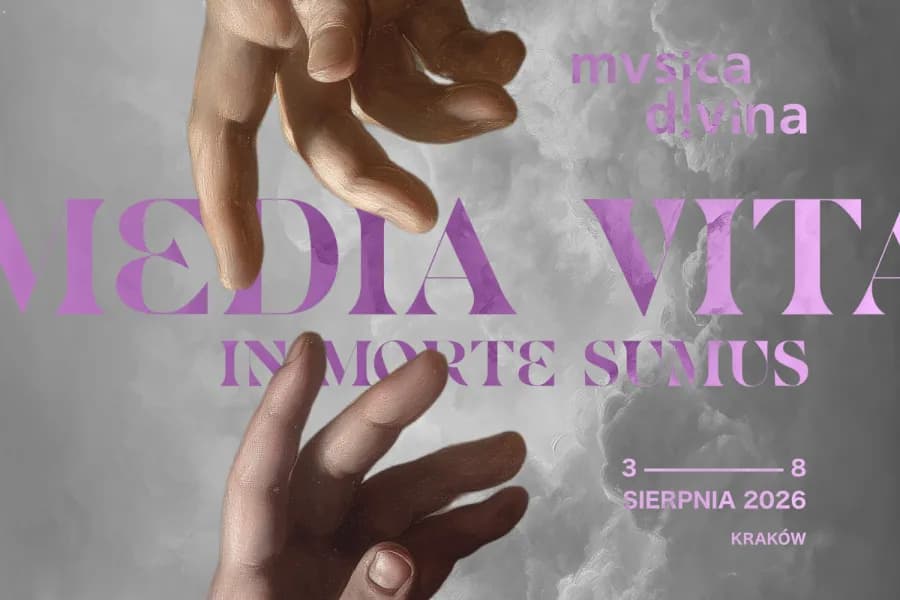
Kraków will once again become one of Europe’s leading destinations for sacred early music this August as Musica Divina 2026 returns for its eighth edition. This year’s festival, titled Media vita, will welcome internationally respected performers to some of the city’s most remarkable historic churches, presenting a carefully curated programme that explores mortality, faith, hope and the enduring power of music.
Unlike many classical music festivals, every public concert remains completely free to attend. Supported by a unique community-funded model, Musica Divina continues to demonstrate how audiences can play a direct role in preserving and promoting high-quality cultural events.
A Programme Inspired by Media vita in morte sumus
The 2026 festival takes its inspiration from the medieval antiphon Media vita in morte sumus (“In the midst of life we are in death”), placing the realities of human existence at the centre of its artistic vision.
Rather than presenting a collection of unrelated performances, Musica Divina has built a programme around a single theological and musical narrative, inviting audiences to reflect on themes of transience, remembrance and spiritual hope through centuries of sacred music.
One of the highlights will be a performance by the acclaimed British vocal ensemble Alamire, directed by David Skinner. The ensemble will present the results of extensive musicological research surrounding John Sheppard’s monumental six-part composition Media vita.
Written during the devastating influenza epidemic of 1557 to 1558, which ultimately claimed Sheppard’s own life, the work offers a moving expression of fear, faith and resilience during one of Tudor England’s most turbulent periods. The performance promises to bring fresh insight into one of the great masterpieces of Renaissance sacred music.
From Estonia’s Sacred Traditions to Medieval Italy
The festival will also introduce audiences to the music of Cyrillus Kreek, regarded as one of the pioneers of Baltic ethnomusicology.
His work preserved a remarkable blend of Lutheran chant, Orthodox spirituality and Nordic folk traditions. During the early twentieth century, Kreek travelled extensively throughout Estonia, recording traditional sacred songs onto wax cylinders and safeguarding musical practices that may otherwise have disappeared. Visitors will hear music shaped by distinctive microtonal melodies and rich vocal traditions rarely encountered in concert programmes.
Elsewhere, Musica Divina turns to medieval Tuscany to explore the origins of the Italian lauda. These devotional songs, performed by lay religious confraternities during the thirteenth and fourteenth centuries, reveal how sacred music became woven into everyday community life, creating what organisers describe as a form of “daily liturgy” that connected spiritual devotion with ordinary experience.
Historic Churches Provide an Unforgettable Setting
As always, the festival’s venues are an essential part of the experience.
Concerts will take place inside some of Kraków’s most significant sacred buildings, where centuries of history and exceptional acoustics provide an ideal setting for early music.
Among the confirmed venues are:
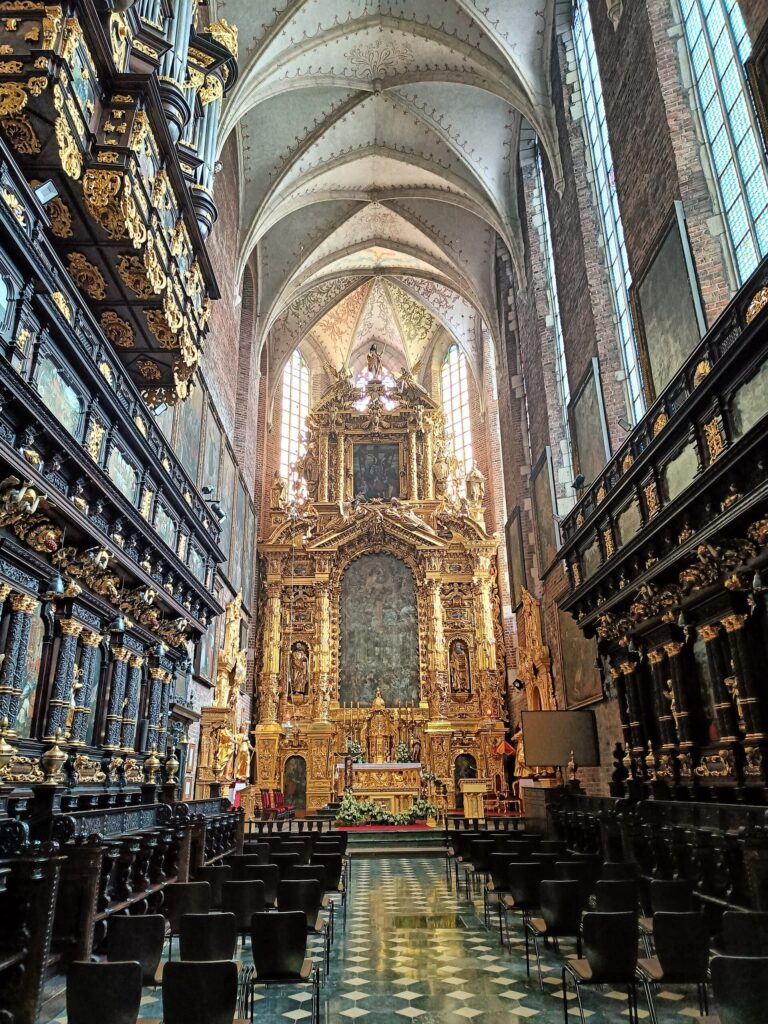
- Church of the Visitation of the Blessed Virgin Mary on the Sand (Carmelites)
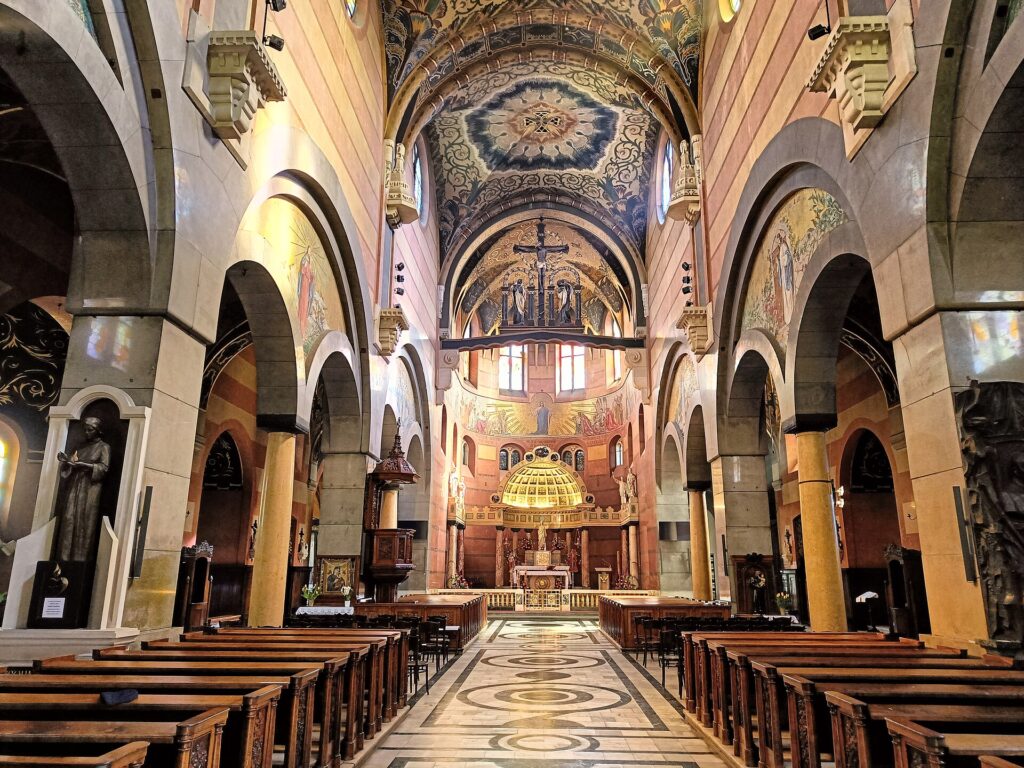
- Basilica of the Sacred Heart of Jesus
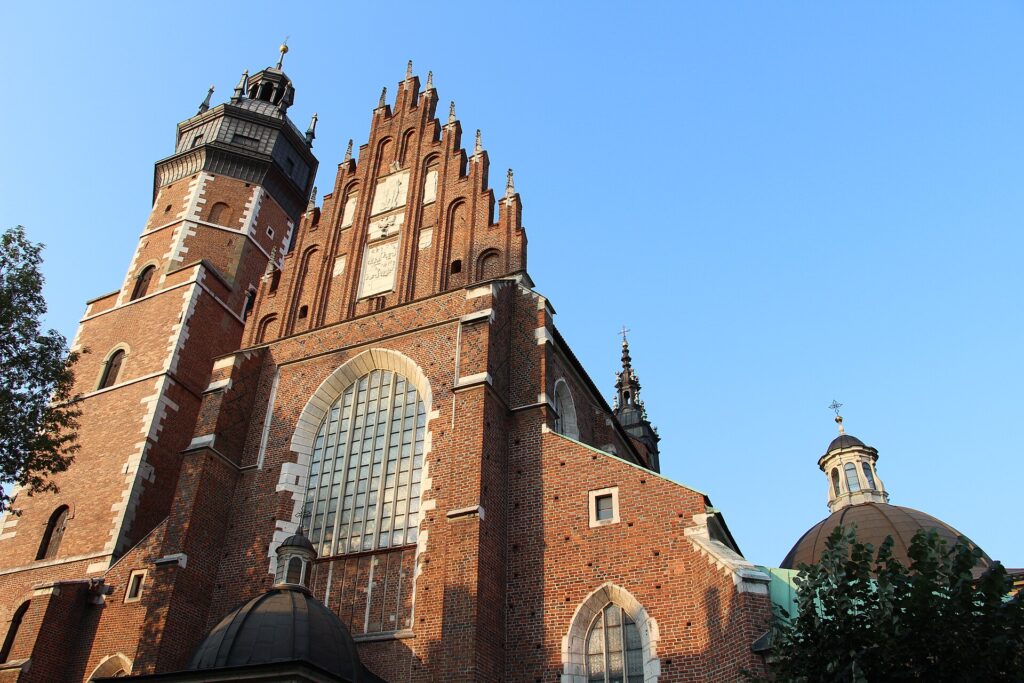
- Corpus Christi Basilica
- Additional historic churches across Kraków
Each location has been carefully selected to complement the repertoire, allowing audiences to experience sacred music in spaces that closely reflect its original liturgical context.
A Festival Built by Its Community
Musica Divina continues to stand apart through its distinctive approach to cultural funding.
Following the success of the 2025 edition, during which approximately 4,100 tickets were distributed across five festival concerts, organisers remain committed to offering free admission to every public performance. The festival is made possible through donations from supporters and year-round Patrons, who collectively act as co-producers of the event.
This model reflects the festival’s belief that preserving sacred musical heritage is a shared responsibility rather than the work of institutions alone.
Patrons will also be invited to a special opening concert on 3 August, marking the beginning of the 2026 festival.
An Important Place in Kraków’s Cultural Calendar
While Kraków is internationally recognised for its rich musical and religious heritage, Musica Divina offers something distinctive within the city’s cultural programme. By combining scholarly research, historically informed performance and carefully chosen sacred spaces, the festival creates an experience that appeals equally to devoted followers of early music and those discovering this repertoire for the first time.
Its commitment to free access also ensures that exceptional performances by internationally renowned artists remain open to the widest possible audience, strengthening Kraków’s reputation as a city where cultural heritage continues to thrive through community participation.
For residents and visitors alike, Musica Divina 2026 promises another memorable celebration of sacred music in the heart of one of Europe’s great historic cities.
Find more things to do in Kraków here!