Fragments of an Allied bomber shot down over Małopolska in August 1944 will go on public display at the Polish Aviation Museum in Kraków this November, bringing a little-known chapter of the air missions supporting the Warsaw Uprising into focus.
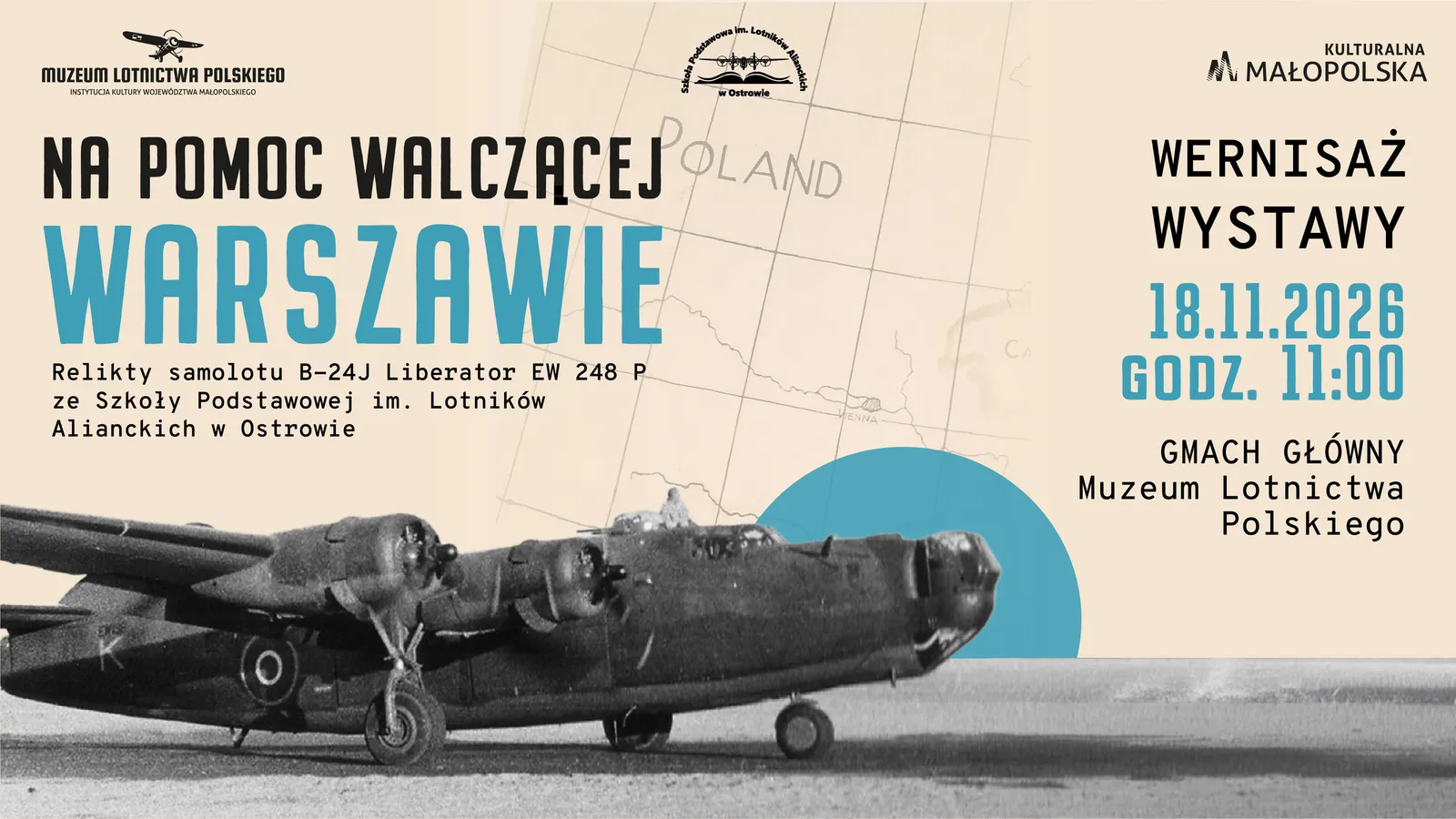
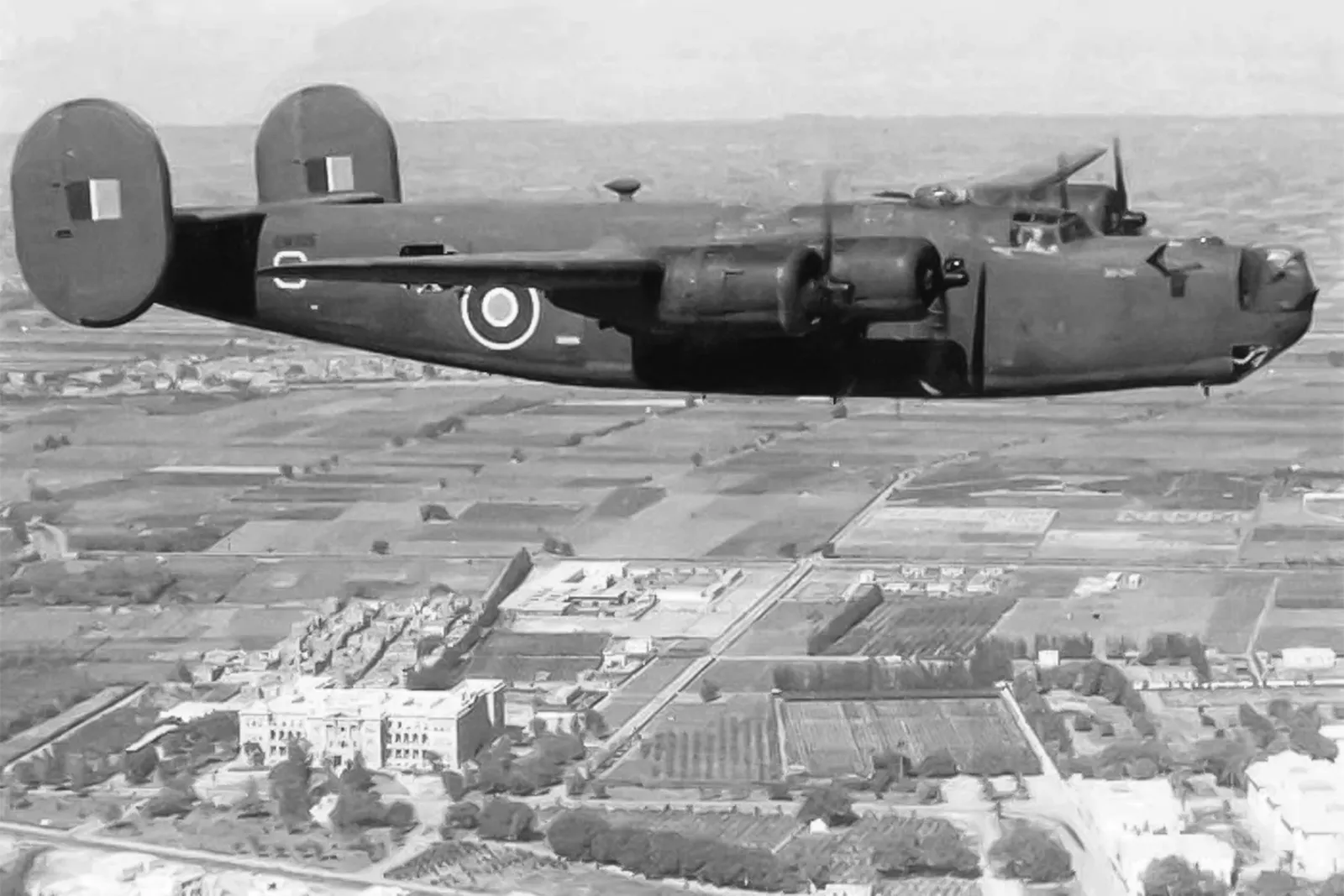
The B-24J Liberator EW 248 P was on its way to Warsaw when it was brought down by a German night fighter during the night of 16 - 17 August 1944. Of the eight men aboard, only one survived. More than 80 years later, fragments of the aircraft, preserved by a school in the village of Ostrów, will form the centrepiece of a new exhibition in Kraków.
Entitled On the Way to Help Fighting Warsaw: Relics of B-24J Liberator EW 248 P from the Allied Airmen Primary School in Ostrów, the exhibition opens on 18th November at the Polish Aviation Museum. A historical conference will accompany the opening, exploring the aircraft, its crew and the wider Allied air operations over occupied Poland.
A dangerous mission over occupied Poland
During the Warsaw Uprising in August 1944, Allied aircrews undertook hazardous missions to deliver weapons, ammunition, food and medical supplies to the Polish resistance. Aircraft operating from bases in Italy had to cross hundreds of kilometres of German-occupied territory, often at night and under the threat of anti-aircraft fire and enemy fighters.
The Liberator EW 248 P was one of the aircraft assigned to these operations. Belonging to No. 31 Squadron of the South African Air Force, it took off from southern Italy on the evening of 16th August, commanded by Major Izak J.M. Odendaal.
During the return journey over Małopolska, the bomber was attacked by a German night fighter and crashed in fields near the village of Ostrów, close to Klimontów.
Only the second pilot, Lieutenant Johannes J.C. Groenewald, survived. He escaped by parachute but was injured. Soldiers of the Polish Home Army (Armia Krajowa) found him and helped him during the remaining months of the German occupation.
The other seven crew members lost their lives. Local residents initially buried the airmen near the crash site. After the war, their remains were transferred to the Commonwealth War Graves section of the military cemetery on Prandoty Street in Kraków, where they rest today.
The story of EW 248 P brings together two important strands of wartime history: the international effort to assist the Warsaw Uprising and the actions of people in occupied Poland who risked their own safety to help an Allied airman.
From a village school to the Polish Aviation Museum
The objects featured in the new exhibition have been preserved for years at the Primary School of Allied Airmen in Ostrów. The school has played an active role in keeping the story of the fallen crew alive through commemorative events, educational activities and the care of historical artefacts recovered in connection with the crash.
Its name reflects a longstanding commitment to remembering the Allied airmen who lost their lives during the mission.
The forthcoming exhibition has been organised in cooperation with the school, allowing objects usually kept within a local educational collection to be presented to a much wider audience.
The surviving aircraft fragments will provide a tangible connection to an operation that took place more than eight decades ago. They also offer an opportunity to explore how the history of a small Małopolska village became connected to one of the most significant episodes of the Second World War in Poland.
The exhibition is part of the regional initiative Home Museums - Reviving Identity in Local Communities of Małopolska, launched by the Małopolska Region. The Polish Aviation Museum has participated in the project for the fourth consecutive year, working with local communities to preserve and share historical collections held outside traditional museum institutions.
Historical conference to accompany the opening
The exhibition will open on Wednesday, 18th November, with a conference bringing together speakers from the Polish Aviation Museum, the school in Ostrów and author Wojciech Krajewski, whose book Shot Down over Ostrów examines the fate of the aircraft and its crew.
The presentations will cover Allied missions from Italy to Poland, the circumstances surrounding the loss of Major Odendaal's Liberator and the aircraft's design and operational history.
The conference begins at 11:00 in the main building of the Polish Aviation Museum, in the first-floor conference room. The exhibition presentation will follow at 12:30 in the Main Hangar.
The event is free to attend.
For Kraków, the exhibition also brings attention to a part of the city's wartime heritage that is easy to overlook. The seven airmen who died over Ostrów are buried here, while the objects recovered from their aircraft have been preserved by a community elsewhere in Małopolska. Their story connects the city, the surrounding region and an international wartime effort to support Poland.