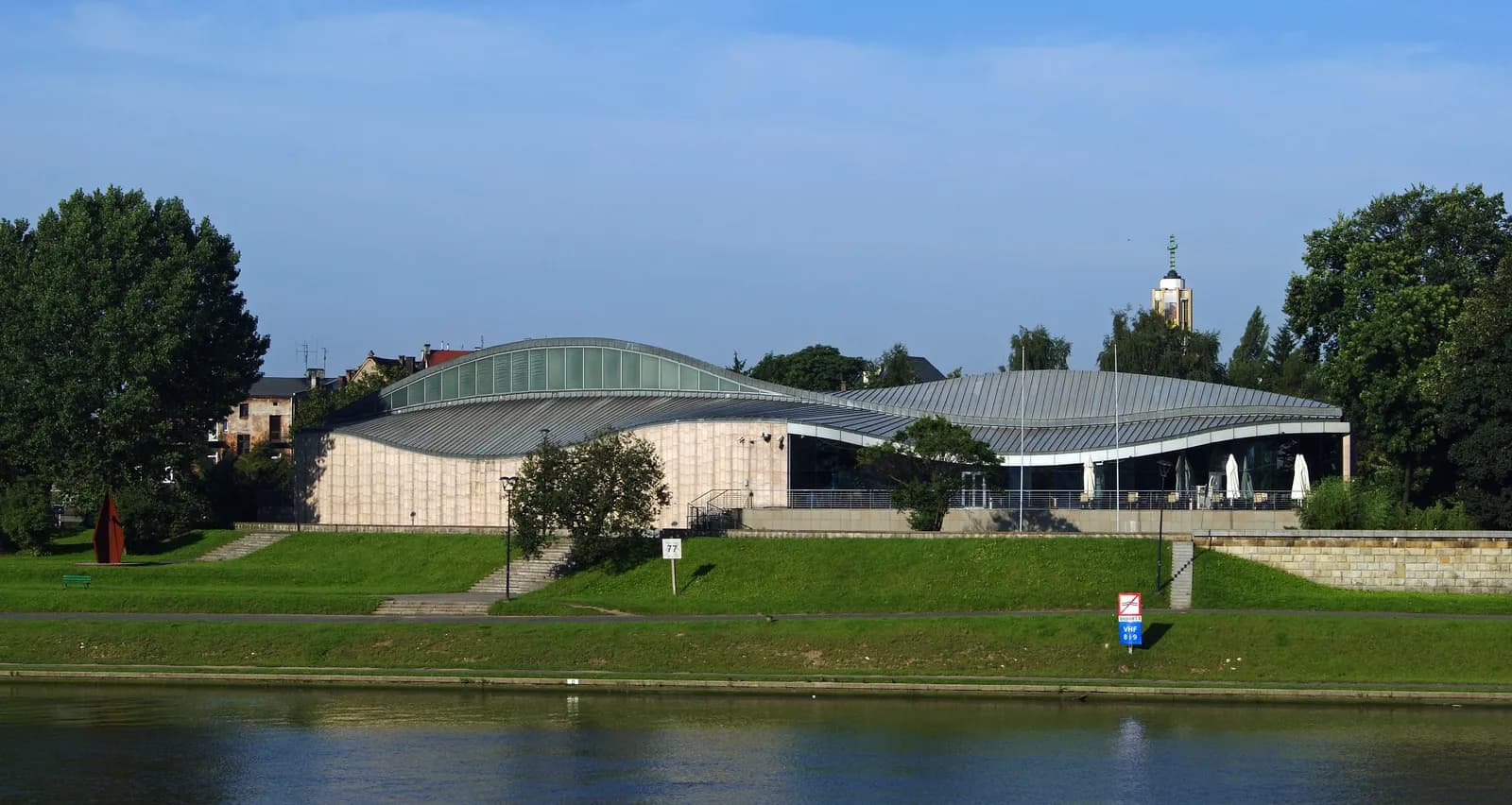
A dragonfly might seem an unlikely symbol to find on samurai armour, yet at Kraków's Manggha Museum it opens a window into Japanese ideas of nature, strength and victory.
There is still time to discover an exhibition at Kraków's Manggha Museum that begins with an unexpectedly delicate creature.
Akitsushima. The Island of Dragonflies brings together Japanese armour and military artefacts from the collection of Wiktoria and Adam Jurgilewicz, alongside prints, paintings and contemporary works. At its centre is the dragonfly, a motif that connects the natural world with the visual culture and warrior traditions of Japan.
The exhibition continues at Manggha until 11 November 2026.
For co-curator Prof. Anna Król, the dragonfly provides a particularly revealing way to look at Japanese art. Rather than treating nature and military culture as opposing worlds, the exhibition explores how they could exist within the same symbolic imagination.
Why Dragonflies Appear on Samurai Armour
In Japanese culture, the dragonfly, or tonbo, has a history that reaches back into the country's ancient traditions.
The Kojiki, or Records of Ancient Matters, recorded one of the earliest known names for Japan as Akitsushima, meaning the Island of Dragonflies.
The insect also acquired a particular significance within warrior culture. Known as kachimushi, or the "victory insect", the dragonfly became associated with determination and success because of the observation that it does not fly backwards.
That symbolism made it an appropriate motif for objects associated with the samurai.
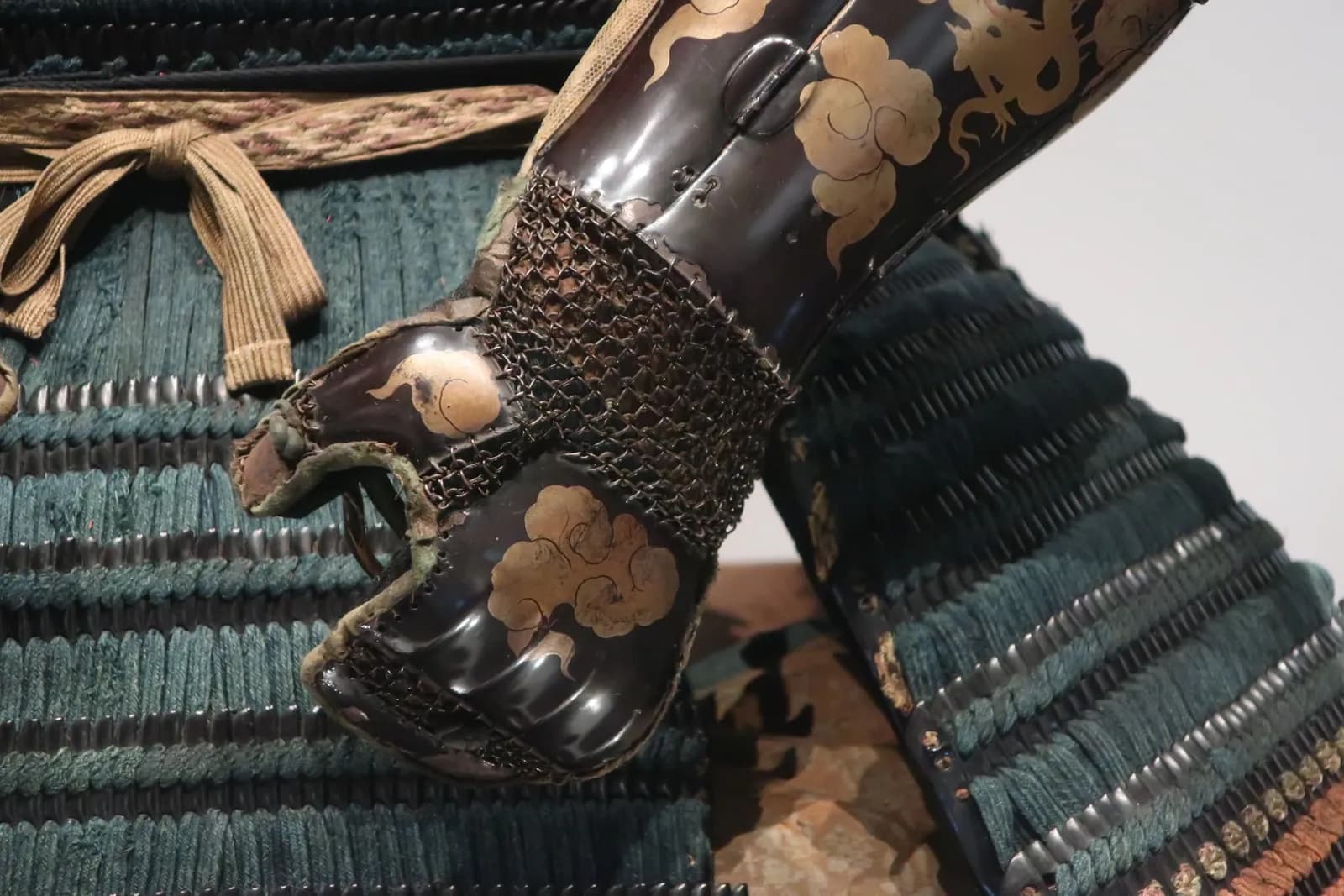
Dragonflies appeared on weapons, helmets, armour components, sword mountings, horse tack and smaller personal objects. Their presence was not simply decorative. The natural world could form part of a wider visual language through which status, character and beliefs were expressed.
The contrast is striking. Armour was designed for protection and warfare, yet its surfaces could carry delicate representations of insects, flowers and other elements of nature.
When Nature Meets the Warrior
This relationship between beauty and strength is central to Akitsushima.
The exhibition presents armour alongside woodcuts and paintings depicting flowers, dragonflies and butterflies in the kachō-ga tradition, as well as dynamic warrior prints known as musha-e.
Seen together, these works encourage visitors to look at Japanese armour as more than historical military equipment.
The craftsmanship of cuirasses, helmets and other objects reveals the skill of their makers, while their decoration demonstrates how closely observation of nature could be connected with ideas of identity, status and power.
The dragonfly becomes a particularly effective symbol because it brings several seemingly different ideas together: the fragility of life, the beauty of nature, determination and victory.
A Different Dragonfly in the Western Imagination
The exhibition also places Japanese imagery alongside Western representations of the dragonfly.
The insect did not always carry the same associations in Europe. In parts of Nordic and Germanic folklore, dragonflies were connected with sinister or demonic ideas.
Later, however, European artists developed a growing interest in observing and documenting the natural world. From the late 16th century onwards, Dutch artists increasingly depicted insects and other small creatures, while scientific and encyclopaedic approaches became particularly important during the 17th and 18th centuries.
The exhibition brings together examples by artists and natural-history illustrators including Maria Sibylla Merian, Albertus Seba, John Jonston and Moses Harris.
Their work is presented alongside Japanese imagery, creating a conversation between different traditions of observing and representing nature.
A Contemporary Conversation
Akitsushima does not stop with historical objects.
The exhibition also includes works created specifically for the project by contemporary Polish artists Katarzyna Makieła-Organisty, Kaja Mucha, Kinga Nowak and Marcin Janusz.
This extends the exhibition beyond a presentation of Japanese armour and historical prints. It becomes a wider exploration of how cultures have represented nature, strength and the relationship between humans and the non-human world.
For Manggha, the exhibition continues a broader programme of exploring interactions between cultures and aesthetics, as well as different perspectives on nature.
And perhaps that is why the dragonfly works so well as the starting point.
At first glance, it seems almost too fragile to belong on samurai armour. Look more closely, however, and it becomes a symbol capable of connecting beauty with strength, nature with warfare and contemplation with the idea of victory.
There is still time to make that connection for yourself at Manggha, where the museum itself becomes the "Island of Dragonflies" imagined by the exhibition.
Visitor Information
Exhibition: Akitsushima. The Island of Dragonflies. Japanese Armour from the Collection of Wiktoria and Adam Jurgilewicz
Venue: Manggha Museum, Main Building
Until 11 November 2026
Opening hours: Daily except Mondays, 10:00–18:00
Tuesdays: Free admission