The Manggha Museum of Japanese Art and Technology has its roots in a fascination with Japanese culture that began in Kraków more than a century ago.
At the centre of the story is Feliks Jasieński, a Polish collector whose interest in Japanese art led him to assemble more than 15,000 objects from the second half of the 19th century onwards. His collection included ukiyo-e woodblock prints, traditional clothing and textiles, weapons and military accessories.
Jasieński adopted the name "Manggha" from Katsushika Hokusai's Hokusai manga, reflecting the importance of Japanese art to his life and collecting.
His collection had a particular focus on Utagawa Hiroshige, whose approximately 2,000 prints form its heart. It also includes works by Hokusai, Utamaro, Kuniyoshi, Kunisada and Sharaku.
From a Kraków Flat to a Museum
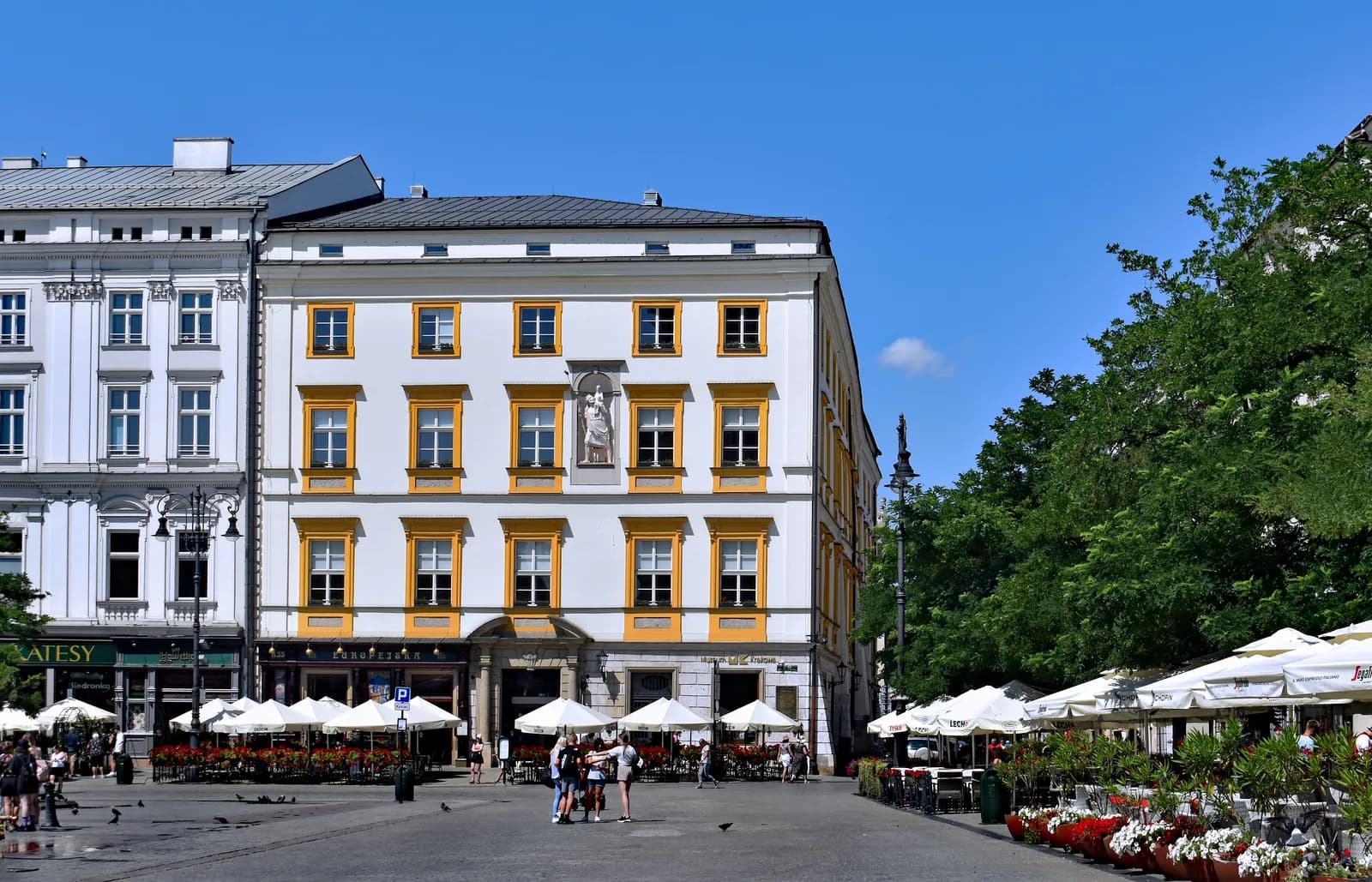
In early 1902, Jasieński established a private museum in his flat at the corner of Kraków's Main Market Square and St John's Street. The space became a cultural meeting point, bringing together Japanese and European artistic traditions in an intimate setting.
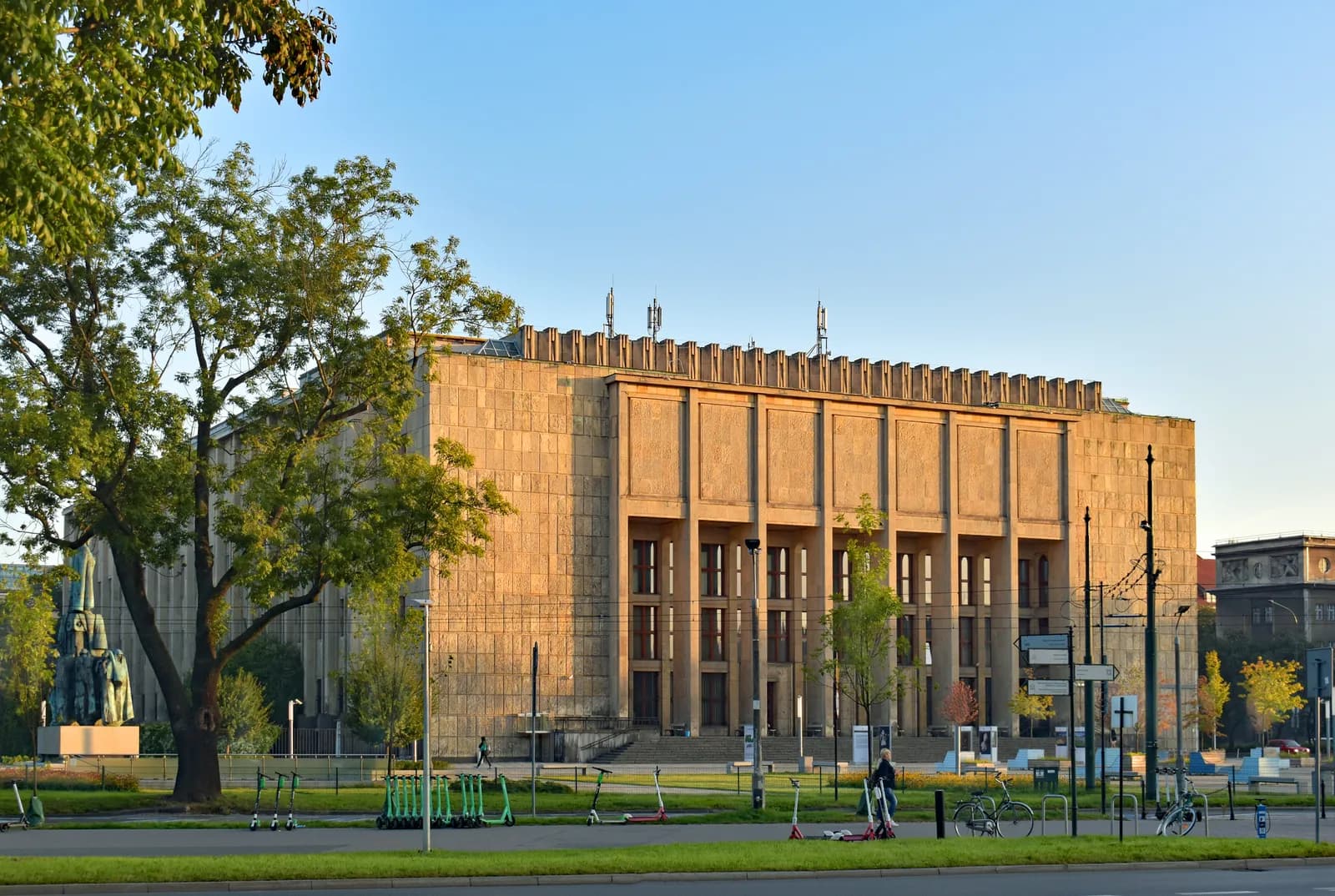
In 1920, Jasieński donated his collection to the city of Kraków, which transferred it to the National Museum.
Yet the idea of creating a dedicated Japanese museum in Kraków remained unrealised during his lifetime.
More than two decades after his death, another Kraków artist encountered the collection and found in it a source of profound inspiration.
In 1944, during the Nazi German occupation of Kraków, parts of Jasieński's collection were displayed in the Cloth Hall Gallery. Andrzej Wajda, then 19 years old, encountered Japanese art there for the first time.
The experience stayed with him.
In 1987, Wajda received the Kyoto Prize from Japan's Inamori Foundation. Rather than keeping the accompanying cash award, he and his wife, Krystyna Zachwatowicz, donated the entire sum towards creating a dedicated museum for Jasieński's collection.
That decision helped turn Jasieński's long-held ambition into a realistic project.
An International Project on the Vistula
The museum's creation became a remarkable example of Polish-Japanese cultural cooperation.
The Kyoto-Kraków Foundation was established to support the project, while Japanese supporters helped raise additional funds. The East Japan Railway Workers' Union contributed approximately $1 million.
The building itself was designed by Japanese architect Arata Isozaki, who donated his design to the foundation. Polish architects Krzysztof Ingarden, Jacek Ewý and JET Atelier collaborated on the project.
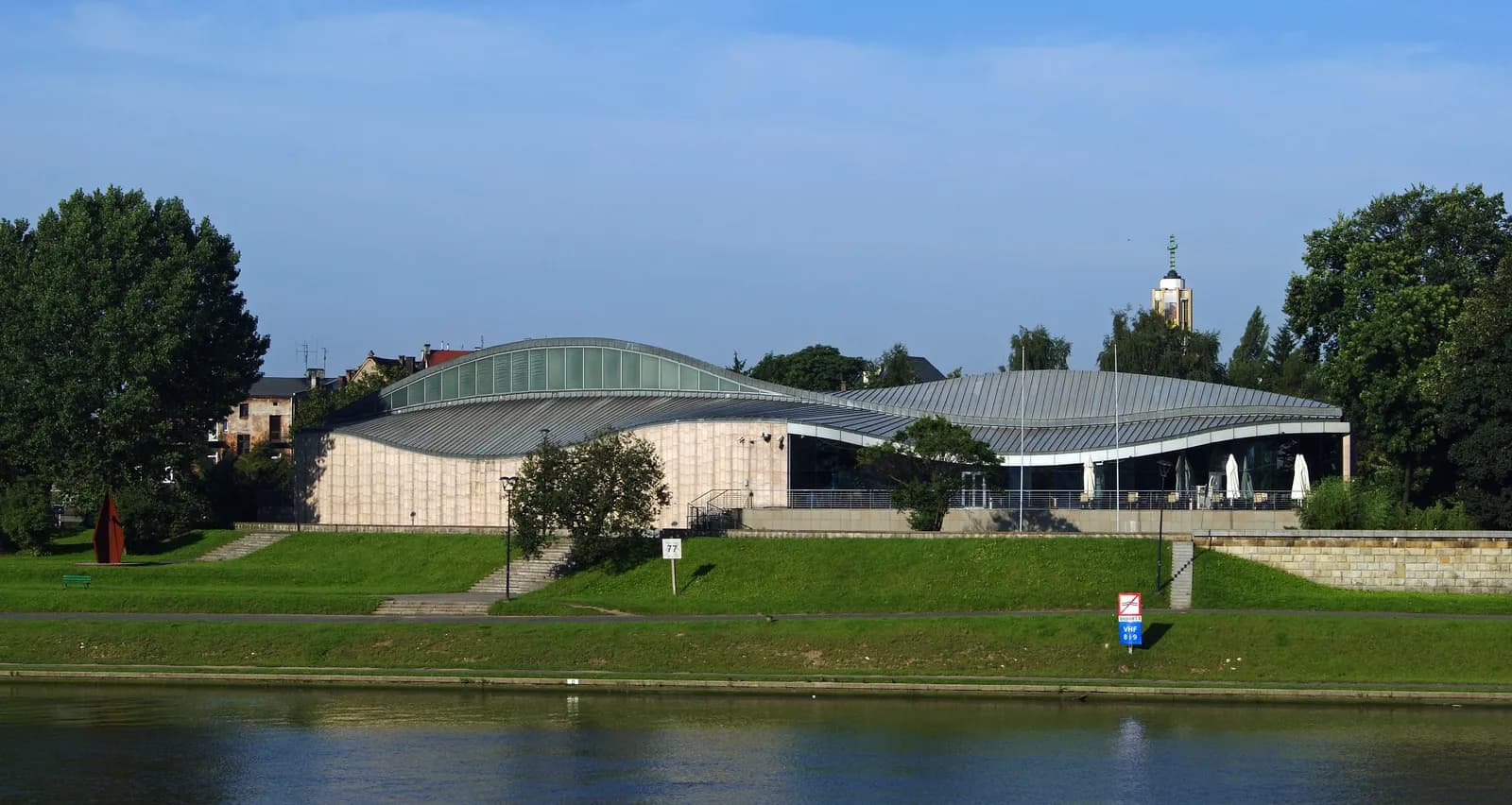
The city authorities provided a riverside site beside the Vistula, creating one of Kraków's most distinctive architectural settings.
The Manggha Museum opened on 30 November 1994, exactly 50 years after Wajda's first encounter with Japanese art in Kraków.
Its wave-shaped form sits beside the river with views towards Wawel Castle. The setting creates an unusual visual dialogue between the medieval Polish landmark and a contemporary building dedicated to Japanese culture.
The museum's spaces include exhibition galleries, conservation and storage facilities, conference areas, a museum shop and a café overlooking the Vistula. The Europe-Far East Gallery, opened in 2009, added further exhibition, conference and specialist facilities.
The museum's significance was recognised with a Special Award from the Japanese Foundation in 1997. In 2002, it welcomed Emperor Akihito and Empress Michiko. In 2005, Manggha became an independent state cultural institution after separating from the National Museum, and in 2007 it received full independent museum status.
Today, the museum's collection encompasses approximately 6,500 artworks from the Jasieński donation, with particular emphasis on ukiyo-e. Its mission extends beyond preserving objects, however. Manggha was created to encourage greater understanding of Japan in Poland while presenting Japanese artistic and technological traditions through exhibitions, education and cultural programming.
The result is more than a collection housed in a striking building. Manggha represents a cultural exchange that began with one collector's passion, continued through an artist's inspiration and eventually became a permanent institution on Kraków's riverfront.
Visitor Information
Museum: Manggha Museum of Japanese Art and Technology
Address: ul. Marii Konopnickiej 26, 30-302 Kraków
Opening hours: Tuesday to Sunday, 10:00–18:00
Closed: Monday
Free entry: Tuesdays