Tourism has always been associated with movement, but as technology changes how we experience places, perhaps the more important question is what it means to be somewhere else.
For generations, tourism has been relatively easy to define. A person leaves home, travels somewhere else, experiences a destination and eventually returns.
Movement sits at the centre of that familiar understanding.
But what happens when experiencing somewhere no longer necessarily requires travelling there?
Artificial intelligence, virtual environments, digital media and remote participation are creating new ways of encountering places. They raise a question that reaches beyond technology itself: does tourism necessarily require physical travel?
It is one of the questions explored by FU-TOURIST: The Art of Contemporary Travelling, an interdisciplinary conference taking place in Kraków.
From Tourism as Movement to Tourism as Experience
One possible way of reconsidering tourism is to look less at mobility and more at the experience of encountering somewhere perceived as elsewhere.
That elsewhere does not necessarily have to be physical. It can be virtual, cultural, historical or imagined.
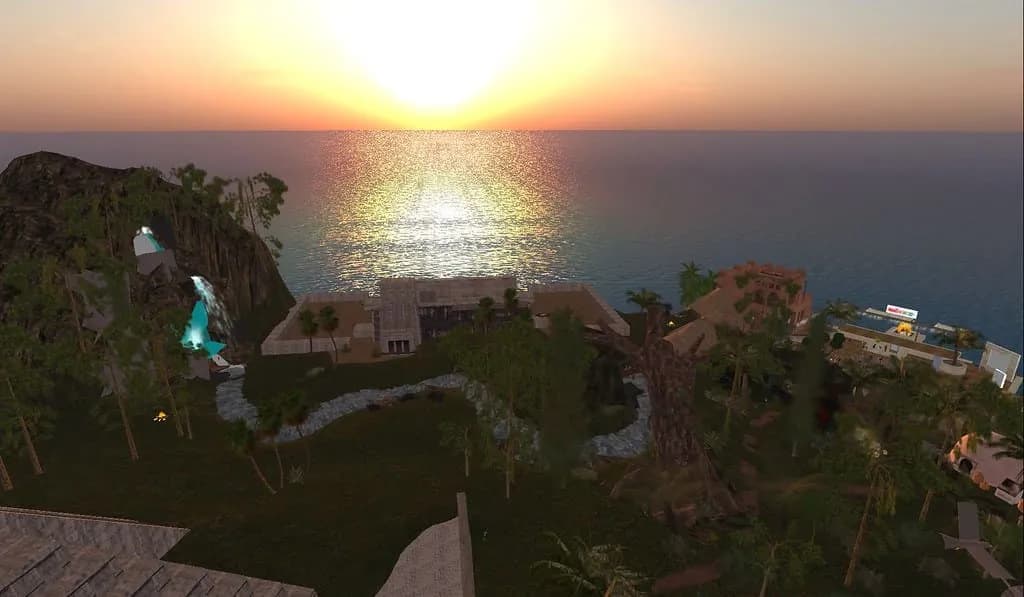
A person might explore a city through virtual reality, participate in a digital cultural experience or use artificial intelligence to construct an immersive representation of a destination they have never visited.
None of these experiences require conventional tourist mobility. Yet they can involve discovery, curiosity, cultural encounter, imagination and the feeling of experiencing somewhere different.
This suggests a different way of thinking about tourism: perhaps the important element is not simply movement, but presence.
That presence does not always have to be physical.
Someone can stand in a famous destination while experiencing it primarily through their phone, photographs or pre-existing expectations. At the same time, someone thousands of kilometres away can develop a meaningful relationship with a place through stories, images, virtual environments or the experiences of other people.
The question then changes from where a tourist went to how that person experienced elsewhere.
The Destination Before the Destination
The idea becomes even more complicated when considering how people encounter destinations before travelling.
Films, literature, advertising, photographs, social media and travel platforms all contribute to the image of a place that exists in a potential visitor's imagination.
Increasingly, artificial intelligence is becoming part of that process.
A traveller can use AI to create itineraries, explore cultural contexts, visualise possible experiences and construct representations of destinations before ever arriving.
This creates an interesting relationship between the destination itself and the destination as imagined.
Tourism can therefore be viewed as a continuing cycle of imagination, anticipation, encounter, interpretation and memory, with each stage potentially influencing the next.
It also raises a difficult question about authenticity.
If expectations and memories of a destination are increasingly shaped by technology and digital representations, where does the actual destination begin and the representation end?
From Consuming Places to Participating in Them
There is another possible shift within this discussion.
Traditionally, tourism often places the traveller in the role of consumer. A destination is experienced through its landscapes, culture, heritage, entertainment and hospitality.
A broader understanding could instead include forms of participation that do not require physical arrival.
Virtual visitors, remote participants, online communities and people engaging with a destination through digital cultural experiences could all form part of this wider relationship with elsewhere.
That also makes the boundary between tourist and non-tourist less straightforward.
If tourism is defined primarily by physical travel, the distinction is relatively clear. If tourism becomes a broader form of engagement with elsewhere, the categories begin to overlap.
Physical travel would not disappear from this understanding. A real encounter with a place remains different from a mediated one.
The proposition is simply that mobility might be one way tourism happens rather than the characteristic that defines it.
A Different Way of Thinking About Travel
This is where a conference such as FU-TOURIST becomes particularly relevant.
Its focus on contemporary travelling opens space for questions about virtual and hybrid tourism, artificial intelligence, immersive technologies, authenticity, intercultural relationships, hospitality, memory and identity.
These developments do not necessarily mean that the future of tourism will be less physical. They do, however, invite a broader conversation about how people encounter places and what makes an experience feel like travel.
Kraków will host that conversation from 28 to 30 September, bringing together an interdisciplinary group of speakers to consider contemporary approaches to travelling.
Perhaps the most interesting question is not whether technology will change the way people travel. It is whether tourism itself will eventually be understood less by the places people physically reach and more by the ways they experience somewhere beyond their everyday world.
Visitor Information
Event: FU-TOURIST: The Art of Contemporary Travelling
Dates: 28–30 September 2026
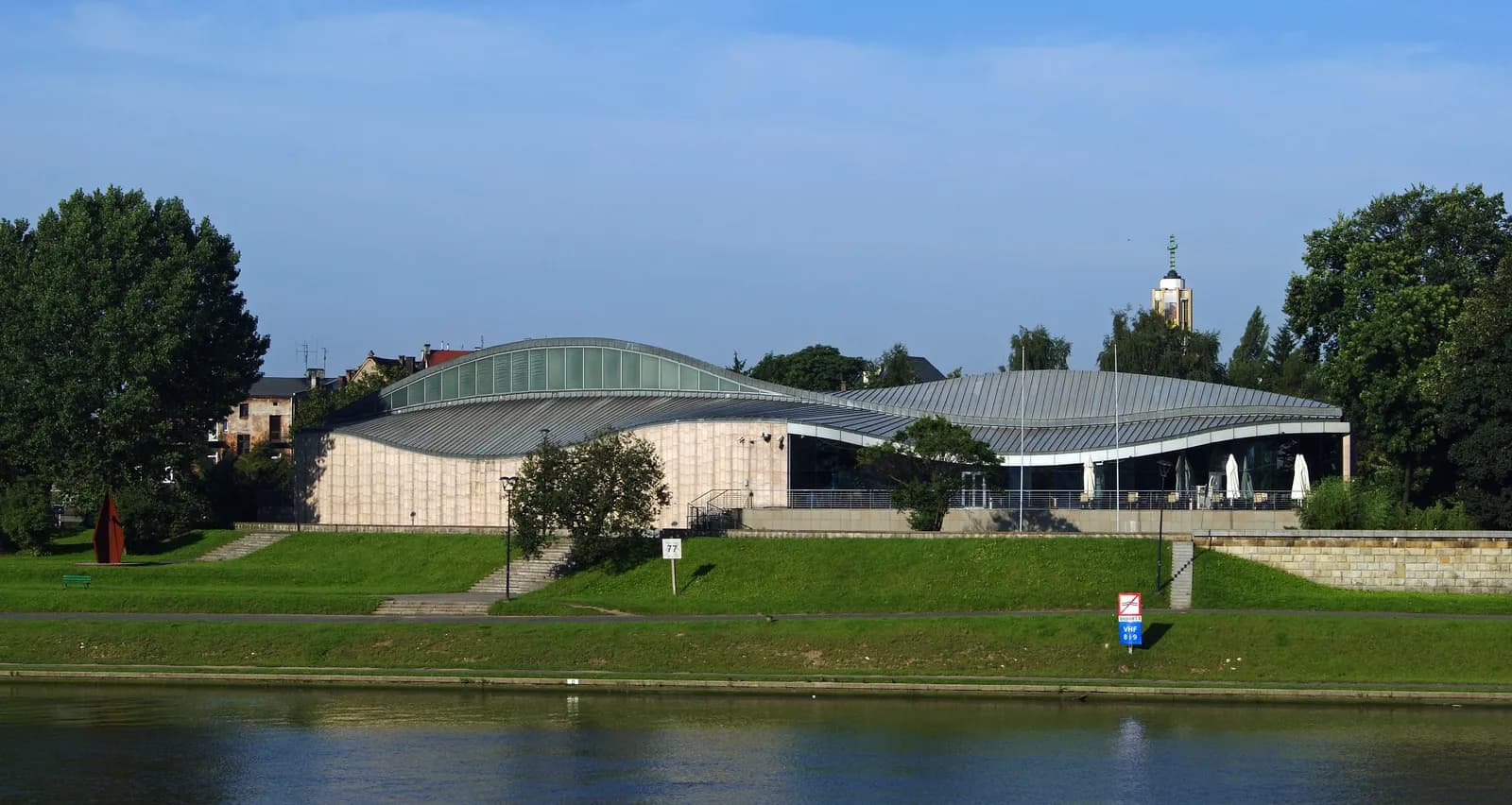
Address: ul. Władysława S. Reymonta 4, Kraków