Founded when Poland had no independent state, the National Museum in Kraków became a place where the country's artistic and cultural heritage could endure.
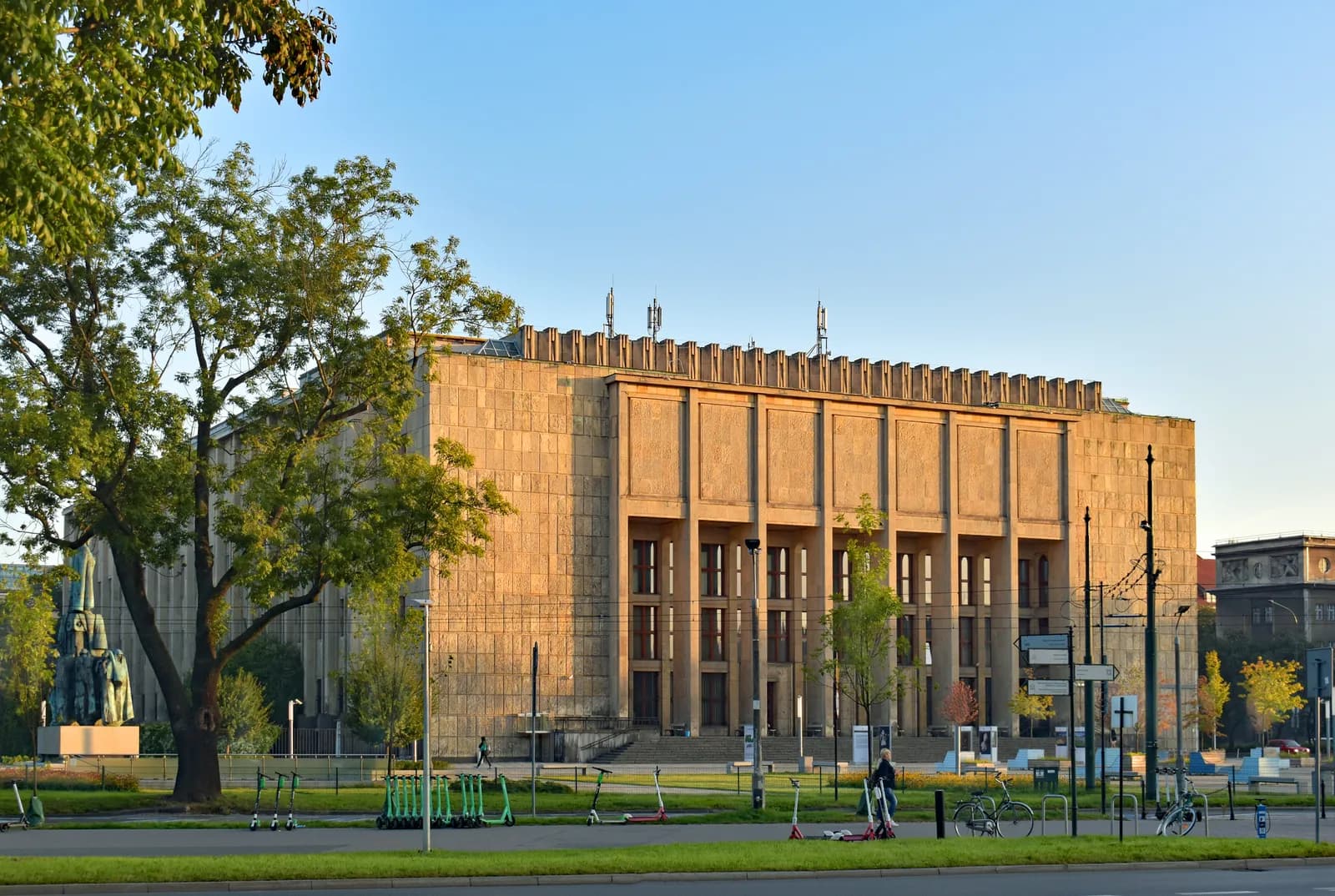
The National Museum in Kraków, or Muzeum Narodowe w Krakowie, occupies an unusual place in Polish cultural history. Established on 7 October 1879, it was created during a period when Poland had been divided between foreign powers and no longer existed as an independent state.
Its creation therefore carried significance beyond the preservation of artworks. The museum became a means of protecting and presenting Polish cultural heritage at a time when maintaining a sense of national identity was particularly important.
Until the end of the First World War, it was the only large museum open to the public in Poland. Its collections continued to develop after Poland regained independence, eventually making it the country's largest museum and one of Europe's significant repositories of art.
A Collection Spanning Centuries
The scale of the National Museum is considerable. Today, its collections contain approximately 780,000 objects, ranging from classical archaeology to contemporary art.
The museum comprises 21 departments organised by art period, alongside 11 galleries, two libraries and 12 conservation workshops.
A particular strength is its collection of Polish art. The museum holds important examples of fifteenth- and sixteenth-century Polish painting and sculpture, as well as extensive holdings connected with the Young Poland movement of the late nineteenth and early twentieth centuries.
Its collections extend well beyond painting. Visitors can find prints, drawings, watercolours, decorative arts, textiles and militaria, alongside numismatic and Far Eastern collections.
The numismatic collection contains more than 100,000 pieces and includes the largest collection of Polish coins in existence.
The Artists Who Shaped Polish Art
The museum's collections include works by many of the artists associated with the development of Polish art.
Among them are Jan Matejko, Józef Chełmoński, Henryk Rodakowski, Piotr Michałowski, Aleksander Grottger, Józef Kossak, Jacek Malczewski and Stanisław Wyspiański.
Matejko's monumental historical paintings form part of the museum's particularly important holdings, including Prussian Homage.
The museum also holds the renowned Czartoryski Collection, bringing together European masterpieces and other significant cultural objects. Among its best-known works is Leonardo da Vinci's Lady with an Ermine, alongside works by Rembrandt and collections of crafts and military objects.
Together, these collections allow the museum to tell a story that extends from Poland's medieval artistic traditions through successive periods of cultural change and into modern and contemporary art.
A Museum Across the City
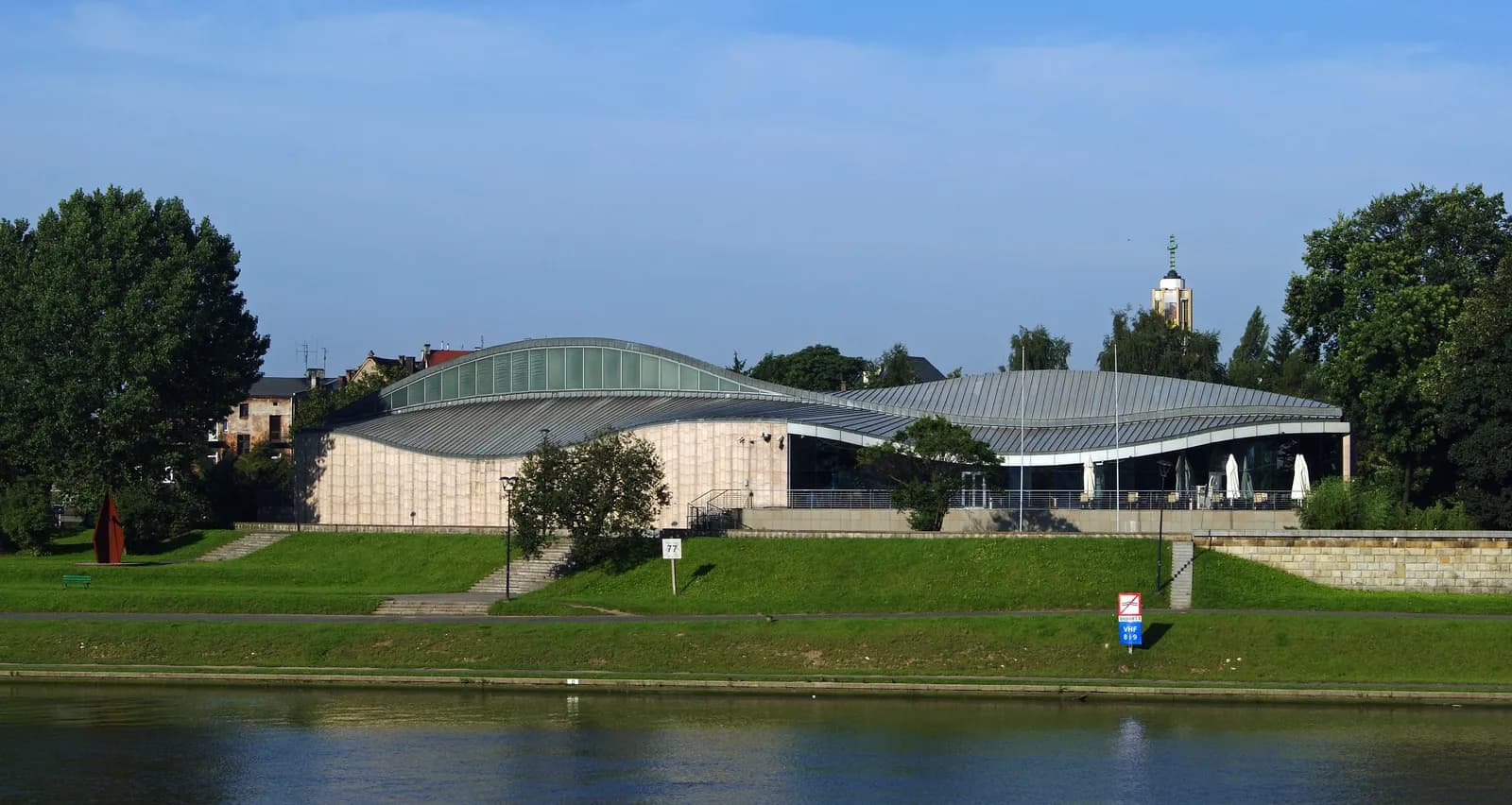
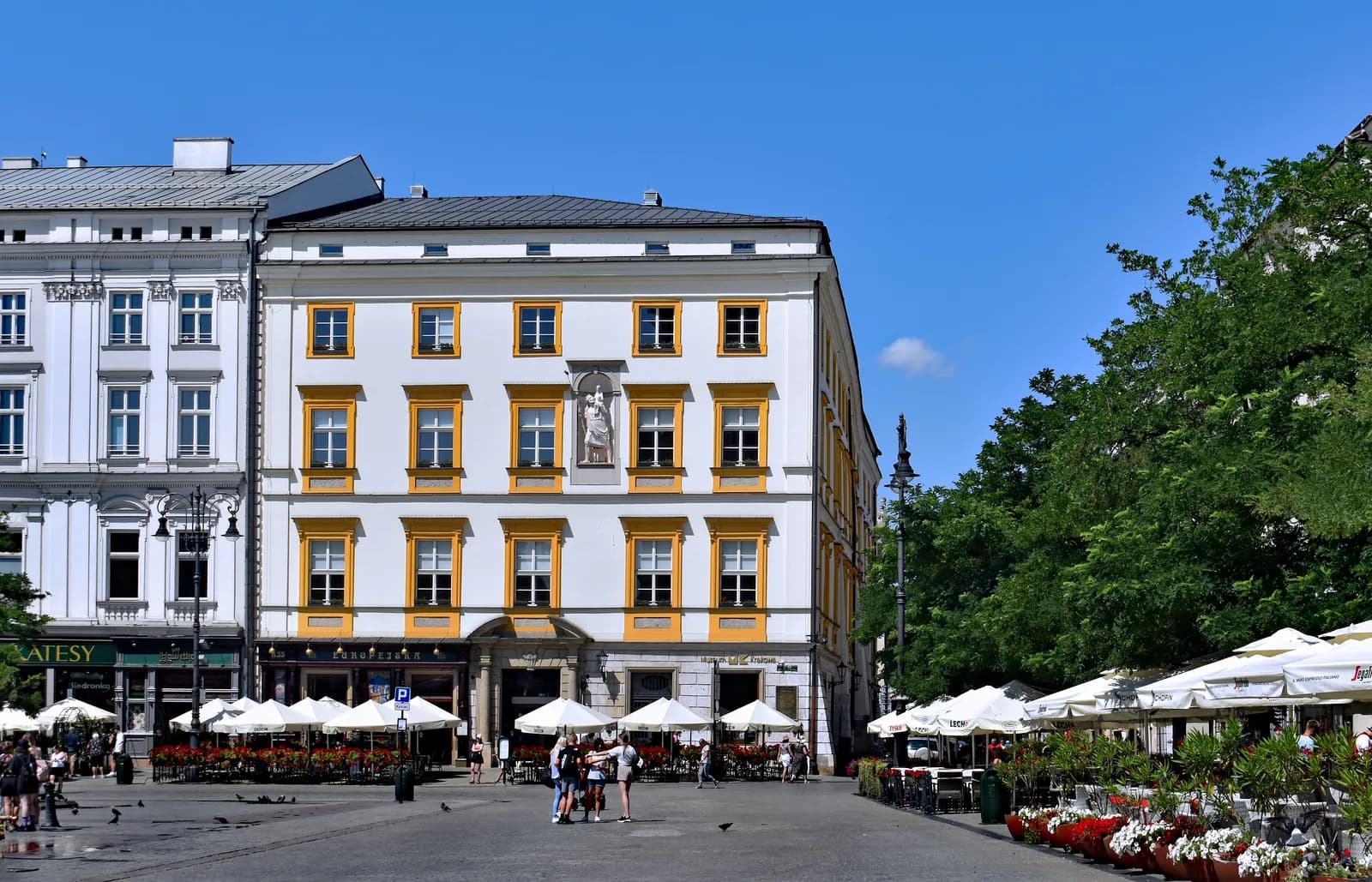
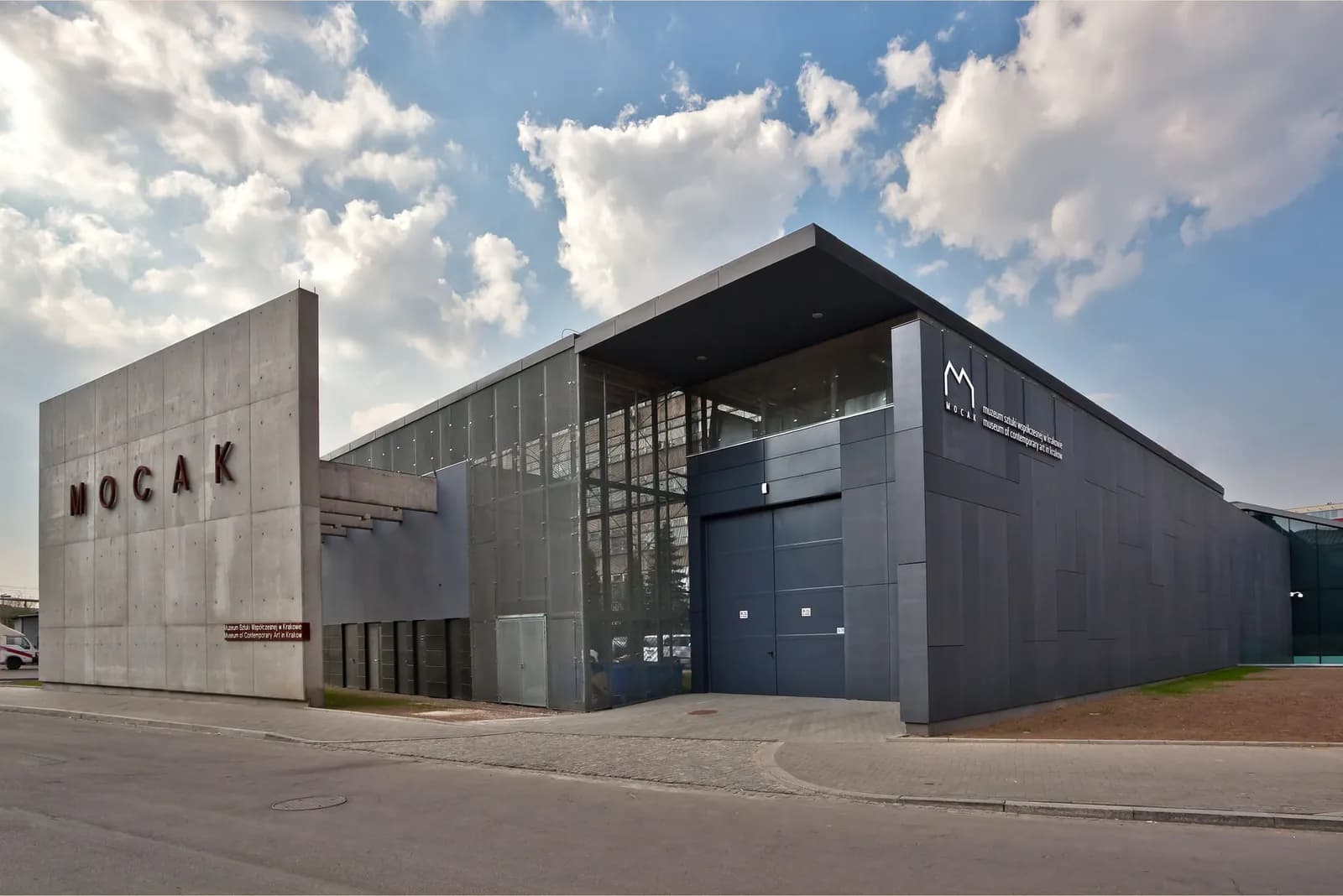
The National Museum in Kraków is not contained within a single building.
Its structure consists of 12 separate branches located across Kraków and in Zakopane, each with its own collections and focus. For visitors, this is an important part of understanding how the institution works.
Rather than presenting the history of Polish art in one location, the museum forms a wider network of collections spread across the region.
That scale reflects the institution's long history. What began in 1879 as a cultural institution created during a period of national absence has developed into an extensive museum dedicated to both Polish and foreign art.
For Kraków, the National Museum remains an important part of the city's cultural identity. For visitors, its collections provide an opportunity to explore Polish artistic achievement across centuries while also understanding why preserving that heritage once carried such profound significance.