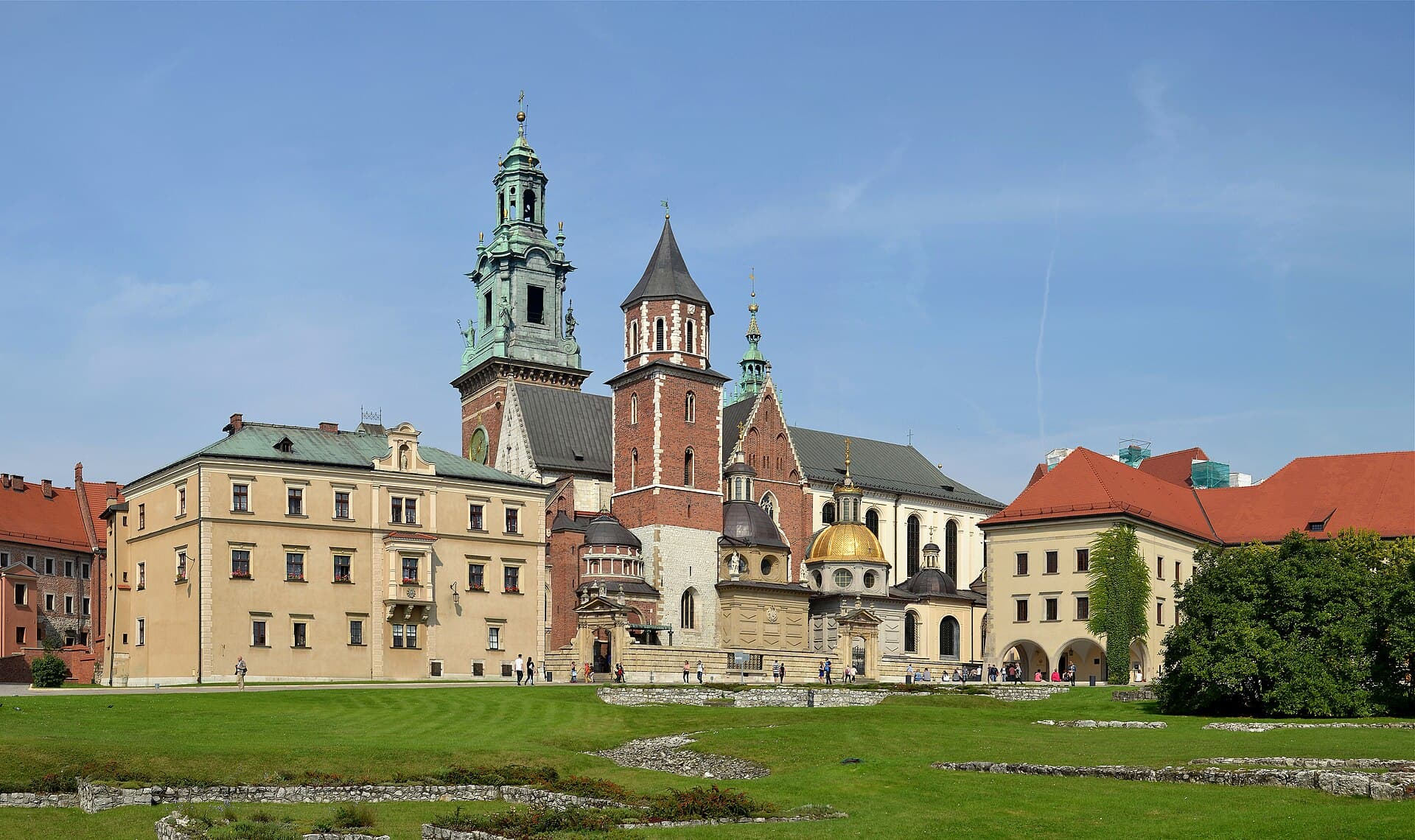
Rising above the banks of the Vistula on Wawel Hill, Wawel Cathedral has stood at the centre of Polish history for centuries. From royal coronations and state ceremonies to the final resting places of kings, poets and national heroes, few buildings have shaped the country’s story quite like this remarkable cathedral.
For visitors exploring Kraków, it is one of those places that rewards a slower pace. Behind its Gothic walls lies a fascinating blend of architecture, art and history, while every chapel, crypt and tower reveals another chapter in Poland’s past.
A Cathedral Built Through the Centuries
The cathedral seen today is the third church to occupy this historic site. Earlier buildings dating back to around the year 1000 and the Romanesque period were gradually replaced after fire and rebuilding, leading to the construction of the present Gothic cathedral during the 14th century.
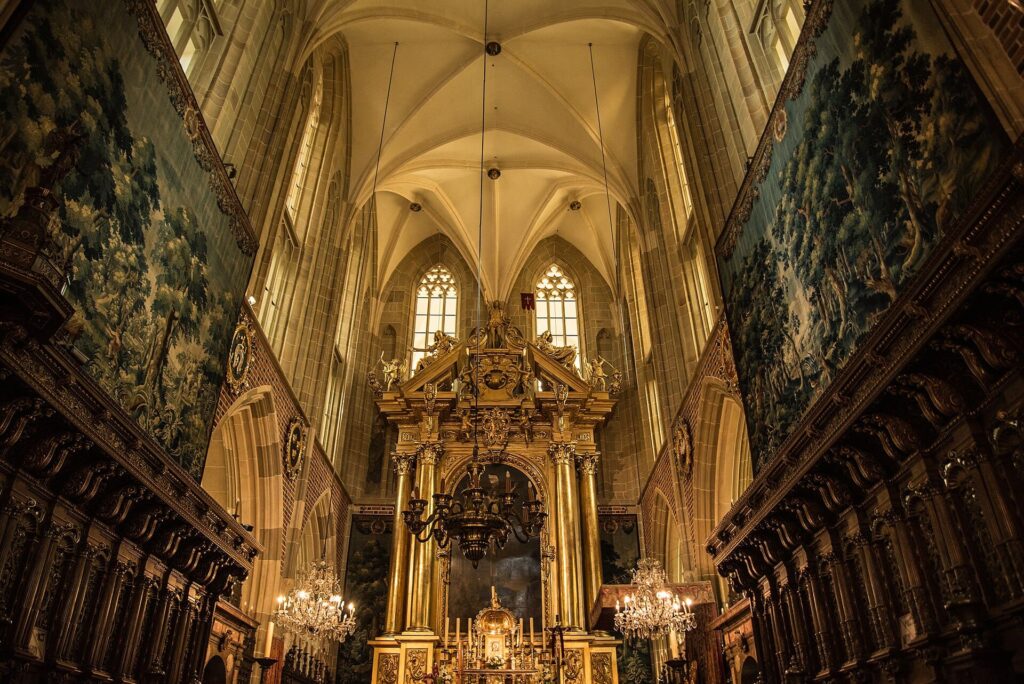
Completed in 1364, the building has continued to evolve ever since. Rather than following a single architectural style, it reflects more than 600 years of additions and restoration. Gothic stonework sits comfortably alongside Renaissance masterpieces and Baroque chapels, creating a unique architectural timeline under one roof.
Where Polish Kings Were Crowned
For almost four centuries, Wawel Cathedral served as the coronation church of the Polish monarchy. Beginning with the coronation of Władysław I Łokietek in 1320, generations of rulers were crowned within its walls before leading the kingdom through periods of prosperity, conflict and political change.
The cathedral also hosted royal weddings, baptisms and funerals, making it the ceremonial heart of the nation for hundreds of years. Today, it continues to play an important role during religious celebrations and major national commemorations.
A Walk Through Poland’s National History
The cathedral is often compared with Westminster Abbey thanks to the remarkable collection of tombs found beneath and within the building.
Among those laid to rest here are Polish monarchs, including Casimir the Great, Sigismund I the Old, Sigismund II Augustus and John III Sobieski. National heroes such as Tadeusz Kościuszko and Józef Piłsudski are also buried here, alongside celebrated poets Adam Mickiewicz and Juliusz Słowacki.
These royal crypts have become a place of remembrance where visitors can trace the lives of many of the figures who shaped Poland’s identity.
The Golden Jewel of Wawel
No visit is complete without admiring the Sigismund Chapel. Designed by Italian architect Bartolomeo Berrecci during the early 16th century, it is widely regarded as one of the finest examples of Renaissance architecture outside Italy.
Its elegant proportions, richly decorated interior and distinctive golden dome have made it one of Kraków’s most recognisable landmarks. Even from outside the cathedral, the shining dome immediately catches the eye against the city’s skyline.
The Bell That Marks Historic Moments
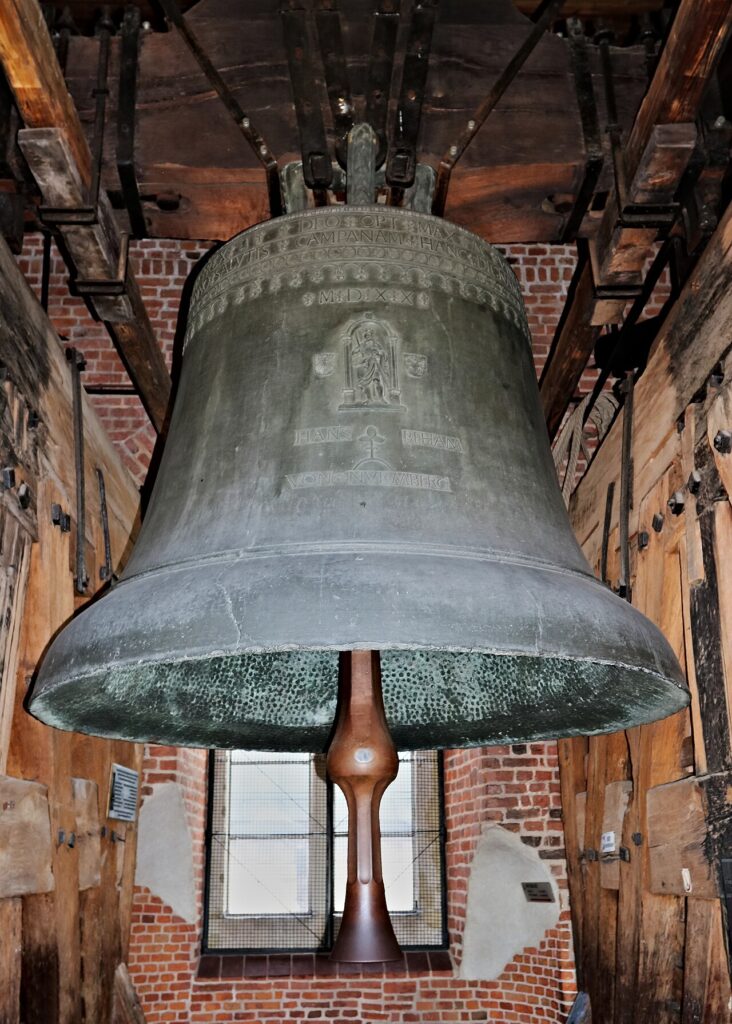
High above the cathedral hangs one of Poland’s most famous national treasures, the Sigismund Bell.
Cast in 1520 and weighing almost 13 tonnes, the bell is reserved for occasions of exceptional importance. It rings during significant religious festivals, national celebrations and moments of remembrance, continuing a tradition that has endured for more than five centuries.
Visitors willing to climb the bell tower are rewarded with a close view of this extraordinary piece of craftsmanship as well as impressive views across Kraków.
Highlights Not to Miss
While many visitors focus on the main nave, there is much more to explore throughout the cathedral complex.
Highlights include:
- The magnificent Sigismund Chapel
- The Royal Crypts
- St Leonard’s Crypt, one of the oldest surviving parts of the cathedral
- The Sigismund Bell Tower
- The Cathedral Museum, displaying religious treasures and royal artefacts
Allowing plenty of time for your visit makes it easier to appreciate the many layers of history contained within the site.
One of Kraków’s Essential Landmarks
Wawel Cathedral remains one of Poland’s most visited historic attractions, welcoming pilgrims, history enthusiasts and travellers from around the world. Whether you are interested in architecture, royal history or simply discovering the stories behind Kraków’s most famous landmarks, it offers an unforgettable insight into the country’s heritage.
Standing beside Wawel Royal Castle, the cathedral continues to define the city’s skyline just as it has for centuries, reminding every visitor that Kraków has long been one of the cultural and historical capitals of Poland.
Click here for more historical sites in Kraków to explore!