Every city has places that seem to collect stories. Some are rooted in history, others in rumour, and over time, the two become almost impossible to separate.
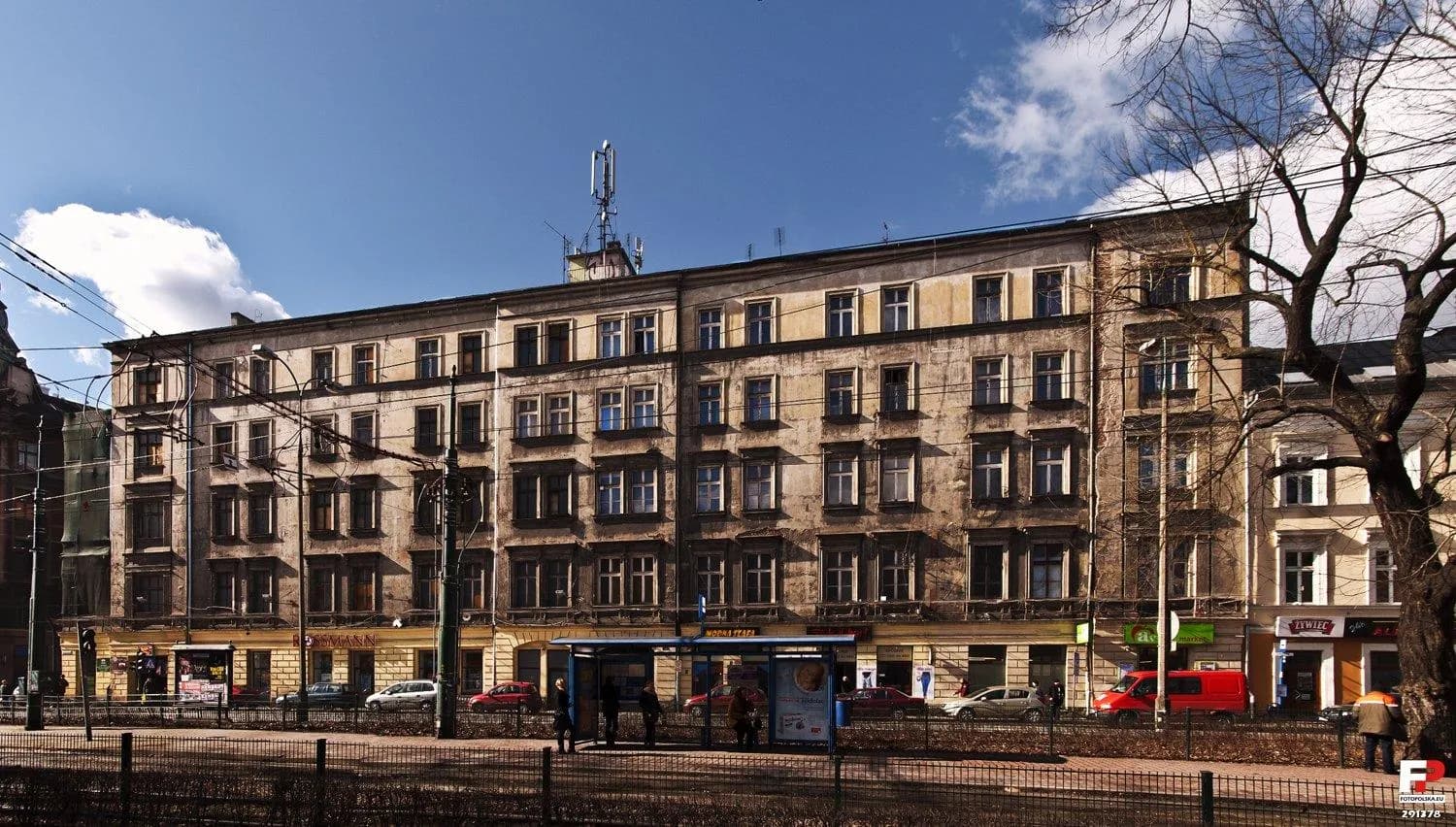
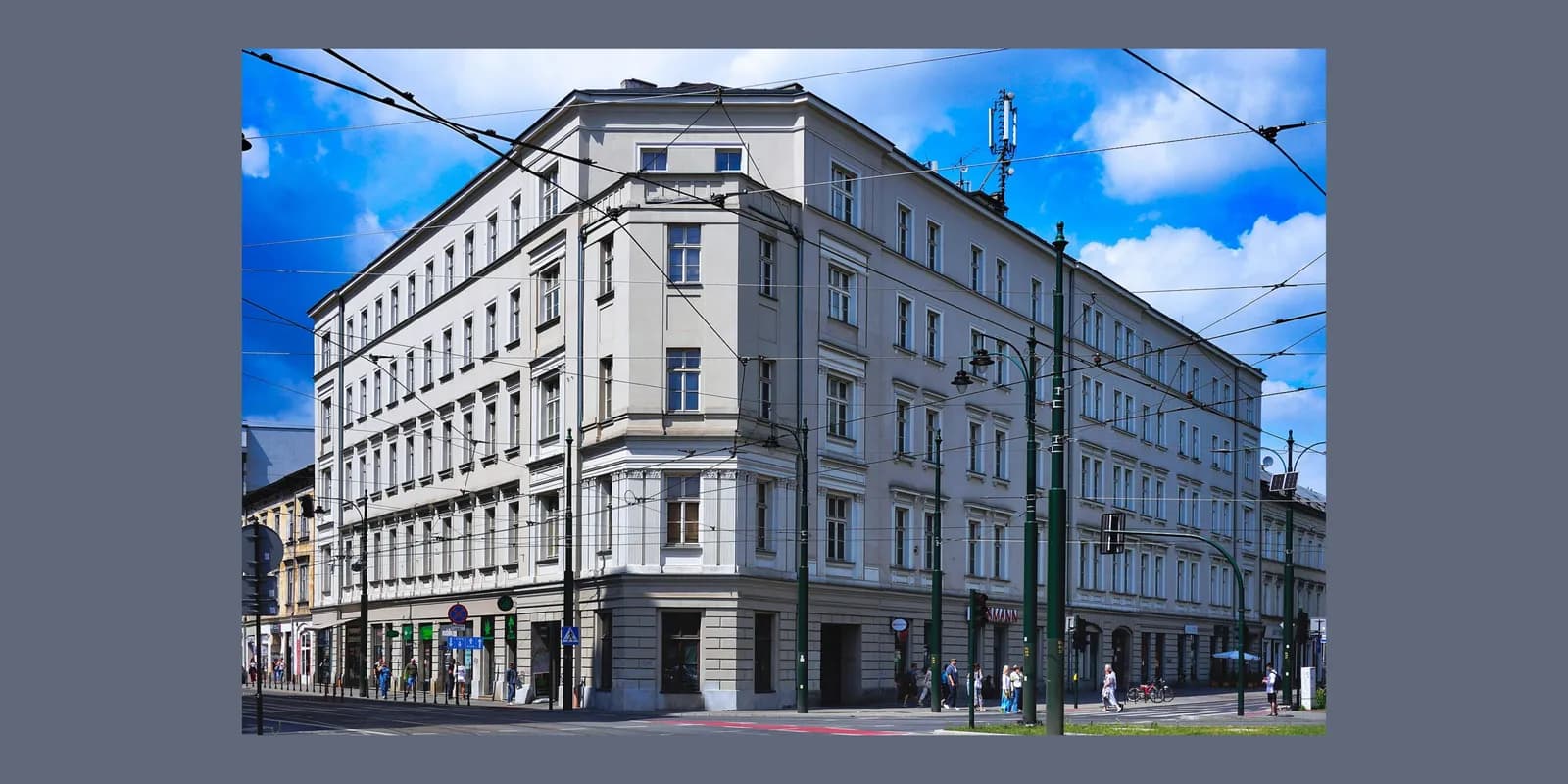
Few addresses in Kraków have inspired as much curiosity as the tenement at ul. Dietla 44, better known to many as the city's "Hell House". Its neglected courtyard, crumbling staircases and years of abandonment turned it into a favourite destination for urban explorers and photographers, while ghost stories spread rapidly online.
Yet the building itself is only part of the story. It stands on ground that was already called Piekło (Hell), centuries before it was built, beside a river that no longer exists. The legends may be modern, but the history beneath them stretches back hundreds of years.
A Neighbourhood Called Hell
Despite its sinister reputation today, the name Piekło did not originate with Dietla 44.
Historical research suggests the area around today's northern edge of Kazimierz had been known locally as Piekło since at least the late Middle Ages. Nearby stood another district known as Raj, or Paradise, creating a striking contrast that appears in historical records.
The most widely accepted explanation is surprisingly practical rather than supernatural. This part of medieval Kraków was dominated by wooden buildings that suffered repeated fires, earning the district a nickname that reflected the devastation. Rather than describing anything paranormal, "Hell" was simply how residents came to identify this frequently damaged neighbourhood.
By the time the tenement at Dietla 44 was constructed in 1865, the name had already been attached to the area for centuries.
When the Vistula Flowed Through Today's Dietla Street
Standing on ul. Dietla today, it is difficult to imagine boats passing where trams and cars now travel.
Until the late nineteenth century, a northern branch of the Wisła separated Kazimierz from Kraków's historic centre. Bridges crossed the river where pedestrians now wait at traffic lights, and the water formed part of the city's natural defences.
Over the centuries, however, the channel became increasingly shallow and polluted. By the 1800s it had turned into stagnant water that contributed to flooding, unpleasant odours and repeated outbreaks of cholera.
The city's growing population demanded a solution.
Under the wider programme of urban improvements championed by physician and Mayor Józef Dietl, the old river channel was filled between 1878 and 1880. In its place emerged the broad boulevard we know today, together with Planty Dietlowskie, permanently transforming the landscape.
The river did not disappear entirely. It simply continued through its remaining main channel, leaving behind a street that still follows the outline of the former riverbed.
A House That Inherited a Legend
Dietla 44 itself began life as an ordinary residential tenement.
Built in 1865 and significantly rebuilt in 1928 by architect Samuel Singer, it spent decades housing residents before gradually falling into decline during the late twentieth century.
As parts of the building became abandoned, its appearance changed dramatically. Overgrown courtyards, dark corridors and deteriorating interiors attracted photographers, filmmakers and urban explorers, many of whom shared atmospheric images online. It was during this period that the nickname "Hell House" became widely recognised beyond Kraków.
The building's reputation grew quickly, helped by social media and videos that presented it as one of Poland's most haunted locations.
Legends Born From Real History
Like many historic places, Dietla 44 became surrounded by stories.
Some visitors claimed to hear footsteps echoing through empty stairwells. Others spoke of strange feelings within the courtyard or whispered about secret tunnels beneath the building. A popular tale suggested that the old river concealed restless spirits after its course was altered.
There is no historical evidence to support these claims, but they reveal something interesting about the location itself.
Unlike many urban legends that appear almost from nowhere, the myths surrounding Dietla 44 grew from a setting that genuinely possesses an extraordinary past. Fires shaped the medieval district. A river disappeared beneath the modern street. Cholera outbreaks left lasting memories. Wars transformed the surrounding neighbourhood, while nearby Kazimierz became one of Europe's most significant centres of Jewish life before the devastation of the Second World War.
It is perhaps unsurprising that such a place should inspire stories that extend beyond documented history.
Hidden Beneath the Pavement
The area's forgotten past occasionally reappears in unexpected ways.
During tram works in 2019, archaeologists uncovered the foundations of the Royal Bridge, built in 1813, beneath today's Dietla Street. The discovery confirmed what old maps had long shown: the boulevard occupies the bed of the former northern branch of the Vistula.
It serves as a reminder that Kraków's streets often conceal earlier versions of the city beneath their surface.
For most people walking along Dietla Street, there is little to suggest they are following the course of a vanished river or passing through a district that has carried the name Piekło for hundreds of years.
Yet those hidden layers explain why this corner of Kraków continues to capture the imagination.
The ghost stories may never be proven, but the real history needs no embellishment. A medieval district called Hell, a river that disappeared beneath the city and a forgotten tenement that inherited both stories together have created one of Kraków's most intriguing addresses.
Main sources: Muzeum Krakowa, dawnemapykrakowa.pl, krakow.pl
image credit: Lucas, CC BY-SA 3.0 / Mach240390, CC BY 4.0